

Commercial Roofing Systems Designed for Long-Term Performance
Commercial roofing systems are built to perform over time, and that requires attention to materials, installation, and ongoing maintenance. ”
SLIDELL, LA, UNITED STATES, March 27, 2026 /EINPresswire.com/ -- Commercial roofing systems are being engineered with a focus on durability, efficiency, and long-term performance as building owners seek to protect structural investments and manage lifecycle costs. Modern roofing design incorporates material selection, environmental considerations, and installation methods that support sustained performance under a range of conditions.— Jules Albert III
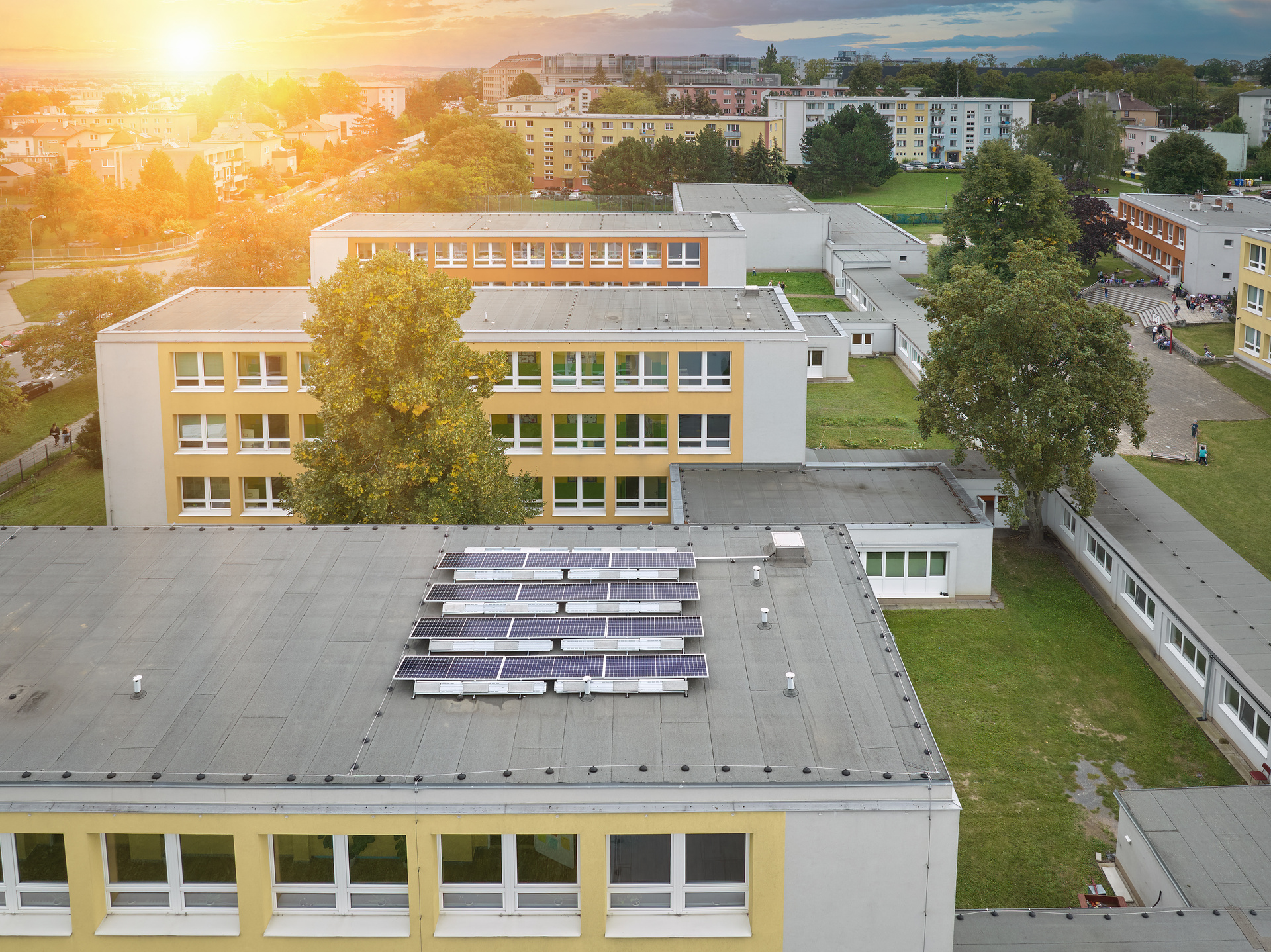
Unlike residential roofing, commercial systems often cover large surface areas and must accommodate mechanical equipment, drainage requirements, and structural variations. These factors require a comprehensive approach to design, where each component contributes to overall system performance rather than functioning independently.
Material selection is one of the most critical aspects of commercial roofing design. Options such as thermoplastic membranes, modified bitumen, and built-up roofing systems are chosen based on building use, climate exposure, and maintenance expectations. Each material offers different characteristics in terms of flexibility, resistance to environmental factors, and compatibility with other roofing components.
Environmental exposure plays a significant role in system design. Roofs must withstand prolonged sun exposure, temperature fluctuations, precipitation, and wind conditions. In regions such as Southeast Louisiana, humidity and storm activity are additional considerations. Roofing systems are designed to manage these factors through layered construction, protective coatings, and reinforced attachment methods.
Drainage design is another essential element in commercial roofing systems. Flat or low-slope roofs require carefully planned drainage solutions to prevent water accumulation. Ponding water can contribute to material degradation and structural stress over time. Systems typically incorporate internal drains, scuppers, or tapered insulation to guide water away from the surface efficiently.
Insulation and energy performance are also integrated into roofing design. Insulation layers help regulate building temperature, reducing energy demands for heating and cooling. Reflective roofing materials may be used to minimize heat absorption, contributing to improved energy efficiency. These considerations are often aligned with building codes and energy standards.
Installation methods influence long-term performance as well. Proper sealing, fastening, and layering techniques are necessary to ensure system integrity. Attention to detail during installation helps reduce the likelihood of leaks, material displacement, and premature wear. Quality control during this phase is a key factor in how a roofing system performs over time.
Maintenance planning is another component of long-term performance. Even well-designed systems require periodic inspection and upkeep. Routine maintenance can identify minor issues before they develop into larger problems, extending the lifespan of the roof. Maintenance programs often include inspections of seams, drainage systems, and surface conditions.
Technological advancements are contributing to improvements in commercial roofing systems. Innovations in materials, coatings, and monitoring tools are providing additional options for performance optimization. Some systems incorporate sensors or inspection technologies that help detect moisture intrusion or structural changes, allowing for earlier intervention.
Jules Albert III, owner of Jaymar Roofing in Slidell, Louisiana, noted that effective roofing design requires coordination across multiple factors to achieve long-term results.
“Commercial roofing systems are built to perform over time, and that requires attention to materials, installation, and ongoing maintenance. Each component plays a role in how the system holds up under daily conditions and environmental exposure,” said Albert.
Building usage also influences roofing design. Facilities with heavy rooftop equipment or frequent access require systems that can support additional load and traffic. Protective walkways and reinforced areas may be included to prevent damage from routine maintenance activities.
Regulatory standards and building codes guide many aspects of commercial roofing design. Requirements related to wind resistance, fire safety, and energy performance must be incorporated into the system. Compliance ensures that roofing systems meet established safety and performance benchmarks.
Cost considerations are evaluated alongside performance goals. While initial installation costs are important, long-term value is often assessed based on durability, maintenance requirements, and energy efficiency. A system designed for sustained performance can reduce the frequency of repairs and replacements over time.
The design of commercial roofing systems reflects a balance between structural requirements, environmental conditions, and operational needs. By addressing these factors collectively, roofing systems can support long-term building performance and reduce the impact of external stressors.
As construction practices continue to evolve, commercial roofing design remains focused on durability and adaptability. The integration of advanced materials, improved installation methods, and ongoing maintenance strategies contributes to systems that are capable of performing reliably over extended periods.
Morgan Thomas
Rhino Digital, LLC
+1 504-875-5036
email us here
Visit us on social media:
Facebook
Legal Disclaimer:
EIN Presswire provides this news content "as is" without warranty of any kind. We do not accept any responsibility or liability for the accuracy, content, images, videos, licenses, completeness, legality, or reliability of the information contained in this article. If you have any complaints or copyright issues related to this article, kindly contact the author above.
