

How Building Owners Can Extend Roof Lifespan With Scheduled Preventive Inspections
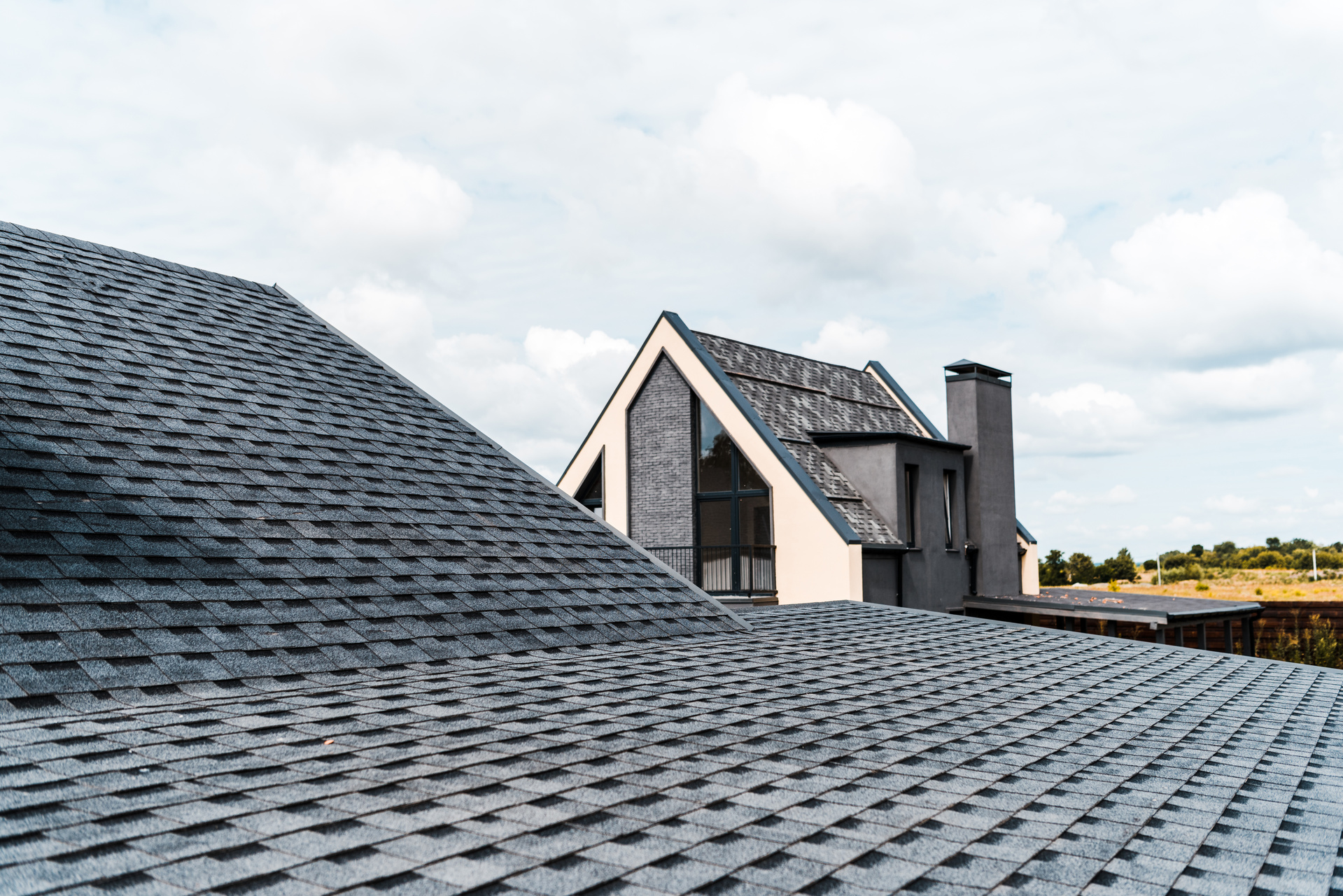
When roofs are evaluated on a regular schedule, building owners gain better control over maintenance decisions and long-term performance”
SLIDELL, LA, UNITED STATES, February 6, 2026 /EINPresswire.com/ -- Commercial and residential roofing systems are designed to provide long-term protection, yet their performance depends heavily on ongoing evaluation and maintenance. One of the most effective ways building owners can preserve roof integrity and delay costly replacements is through scheduled preventive inspections. These inspections help identify early-stage issues that often remain unnoticed until damage becomes extensive.— Jules Albert III
Roofs are continuously exposed to environmental stressors, including ultraviolet radiation, temperature fluctuations, wind, and precipitation. Over time, these conditions contribute to material fatigue, seal degradation, and structural movement. Preventive inspections allow these changes to be monitored systematically rather than addressed reactively after failure occurs.
Scheduled inspections typically focus on vulnerable areas such as flashing, seams, penetrations, drainage systems, and attachment points. These components experience higher stress and are often the first to show signs of wear. Identifying minor separations, surface cracking, or drainage obstructions early supports targeted repairs that reduce the likelihood of broader system failure.
Water management plays a central role in roof longevity. Standing water, clogged drains, and compromised slopes accelerate deterioration and increase the risk of interior damage. Preventive inspections evaluate drainage performance and identify conditions that allow water to remain on the roof surface longer than intended. Addressing these issues helps maintain material performance and structural stability.
Weather events further highlight the importance of routine inspections. High winds, hail, and heavy rainfall can cause damage that is not immediately visible from the ground. Post-event evaluations help document changes in roof condition and establish timelines for necessary maintenance. This documentation can also support insurance and warranty considerations when applicable.
Preventive inspections contribute to budget predictability. Rather than facing unplanned repair expenses or premature replacement, building owners can schedule maintenance activities based on documented findings. This approach supports long-term capital planning and reduces the financial impact of emergency repairs.
Another benefit of routine inspections involves compliance and liability considerations. Certain building codes, insurance policies, and warranty agreements require periodic roof evaluations to remain valid. Documented inspections demonstrate due diligence and provide records that support compliance obligations.
Roofing materials respond differently to aging and environmental exposure. Single-ply membranes, modified bitumen systems, metal roofing, and built-up roofs each have distinct inspection priorities. Preventive inspections tailored to the specific roofing system ensure that material-specific risks are addressed appropriately.
Interior conditions can also reveal early warning signs of roof-related issues. Staining, elevated humidity, and temperature inconsistencies may indicate developing problems above. Coordinated inspections that consider both exterior and interior indicators provide a more comprehensive assessment of roof performance.
According to Jules Albert III, owner of Jaymar Construction LLC in Slidell, Louisiana, consistency is the defining factor in effective roof maintenance planning.
“Preventive inspections help catch issues while they are still manageable,” Albert said. “When roofs are evaluated on a regular schedule, building owners gain better control over maintenance decisions and long-term performance.”
Inspection frequency often depends on roof type, building use, and regional climate conditions. In areas subject to frequent storms or high heat, more frequent evaluations may be appropriate. Establishing a consistent inspection schedule allows trends to be identified over time rather than treating each issue as an isolated event.
Preventive inspections also support sustainability goals. Extending the service life of existing roofing systems reduces material waste and minimizes the environmental impact associated with replacement projects. Maintenance-focused strategies align operational efficiency with responsible resource management.
As buildings age, roofing systems require increasing attention to maintain performance. Scheduled preventive inspections provide a structured method for assessing condition, prioritizing repairs, and planning future investment. This proactive approach supports roof longevity while reducing unexpected disruptions.
For building owners, roof maintenance is not a single task but an ongoing process. Preventive inspections transform roof care from a reactive expense into a planned operational practice. By identifying issues early and addressing them methodically, building owners can extend roof lifespan and protect the assets beneath.
Morgan Thomas
Rhino Digital, LLC
+1 504-875-5036
email us here
Visit us on social media:
Facebook
Legal Disclaimer:
EIN Presswire provides this news content "as is" without warranty of any kind. We do not accept any responsibility or liability for the accuracy, content, images, videos, licenses, completeness, legality, or reliability of the information contained in this article. If you have any complaints or copyright issues related to this article, kindly contact the author above.
