

The Value of Reliable Data in Coastal and Waterway Management
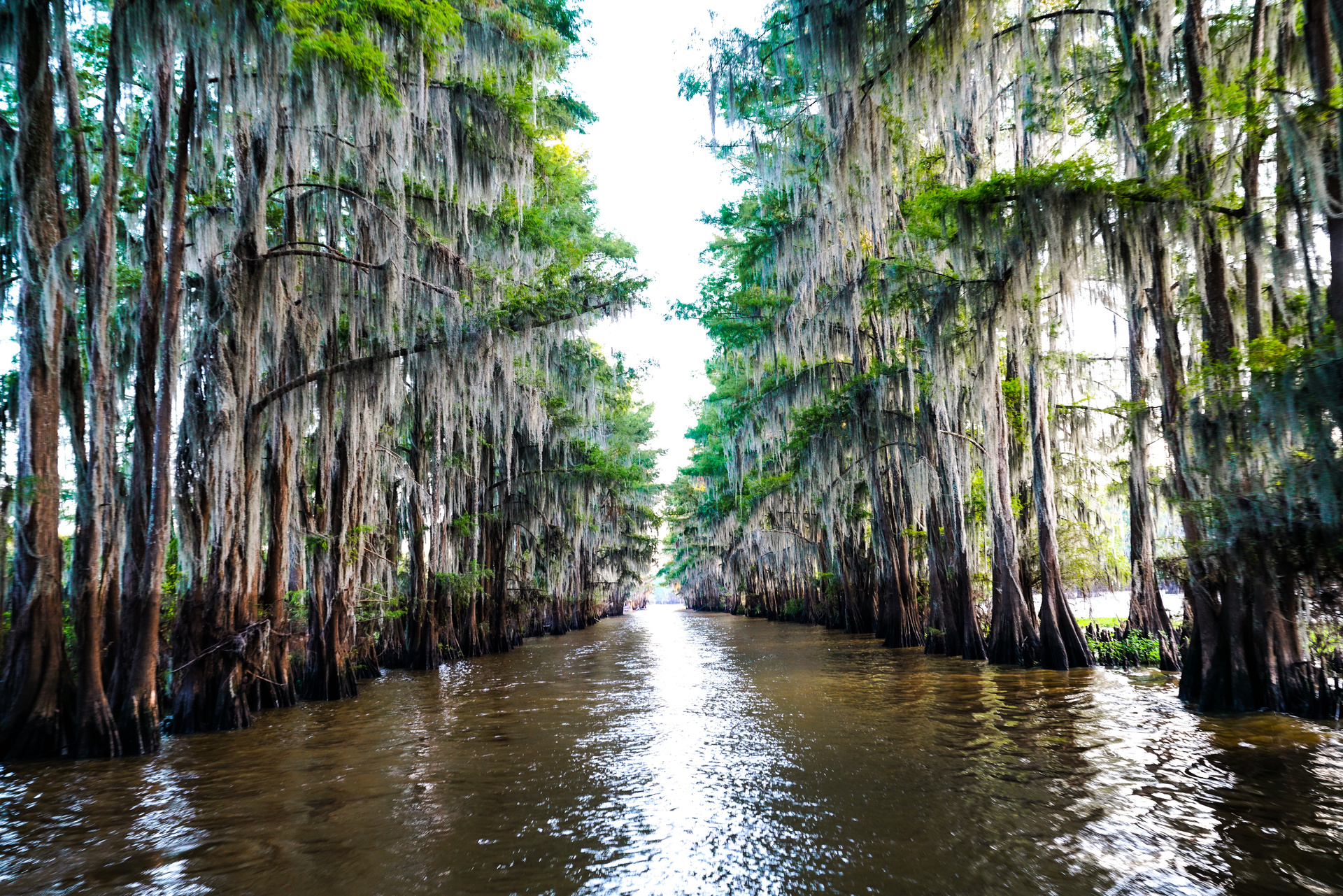

Coastal and waterway decisions depend on understanding what is actually happening in the field”
BATON ROUGE, LA, UNITED STATES, January 31, 2026 /EINPresswire.com/ -- Coastal and waterway management depends heavily on accurate, timely, and location-specific data. In regions shaped by rivers, wetlands, and coastlines, decision-making without reliable information introduces uncertainty that can affect infrastructure, environmental protection, and long-term planning. As natural systems continue to respond to both human activity and environmental change, data has become a foundational element in managing these dynamic environments responsibly.— Joel Chaky
ENCOS Environmental & Coastal Services, headquartered in Baton Rouge, Louisiana, works in coastal and inland waterway environments where conditions can change rapidly. In these settings, reliable data supports informed planning by translating real-world conditions into measurable insights. Water levels, flow rates, sediment movement, and water quality metrics all contribute to understanding how systems behave over time rather than at a single moment.
Coastal and waterway systems are inherently complex. Tides, storms, seasonal variations, and upstream activity all influence conditions at any given site. Without consistent monitoring, these influences can be misunderstood or underestimated. Reliable data provides continuity, allowing trends to be identified and anomalies to be addressed before they escalate into larger issues.
Infrastructure planning relies heavily on this information. Ports, bridges, levees, pipelines, and shoreline protection projects must account for hydrodynamics and sediment behavior. Data collected through monitoring efforts informs design parameters, construction timing, and maintenance planning. Decisions grounded in measured conditions reduce uncertainty and support long-term performance.
Environmental protection efforts also depend on accurate data. Wetlands, estuaries, and river systems respond to subtle changes in salinity, turbidity, and flow. Monitoring allows these changes to be observed in real time and over extended periods. This information supports adaptive management approaches that respond to evolving conditions rather than relying solely on static projections.
Regulatory compliance represents another area where data plays a critical role. Many coastal and waterway projects operate under permits that require documentation of environmental conditions. Reliable monitoring data provides verifiable records that demonstrate adherence to established thresholds. When conditions shift unexpectedly, data allows corrective actions to be evaluated and implemented promptly.
Reliable data also supports coordination among stakeholders. Engineers, environmental scientists, regulators, and project managers often rely on shared datasets to guide discussions and decisions. When information is consistent and defensible, collaboration becomes more efficient. Disputes over conditions are reduced, allowing attention to remain focused on solutions.
According to Joel Chaky, Vice President of ENCOS Environmental & Coastal Services, data forms the backbone of effective management strategies. “Coastal and waterway decisions depend on understanding what is actually happening in the field,” said Chaky. “Reliable data provides clarity in environments where conditions are constantly changing.”
Technological advancements have expanded the scope of data collection. Acoustic instruments, automated sensors, and remote monitoring platforms allow measurements to be gathered in challenging environments and over long durations. These tools improve resolution and accuracy, creating datasets that support both immediate operational decisions and long-term planning.
Long-term datasets are particularly valuable in coastal regions. Gradual changes such as land subsidence, erosion, and sediment redistribution may not be apparent in short-term observations. Consistent data collection over time reveals these patterns, supporting proactive planning and resilience strategies.
Waterway management also benefits from reliable data in navigation and safety contexts. Understanding currents, depths, and sediment deposition helps inform dredging schedules and navigational planning. Accurate information reduces operational risk and supports continuity in commercial and industrial activity.
The absence of reliable data often leads to reactive decision-making. Without clear measurements, responses tend to rely on assumptions or incomplete information. This approach increases the likelihood of inefficiencies, delays, and unintended impacts. Reliable data shifts management strategies toward anticipation rather than reaction.
Climate variability further underscores the importance of accurate monitoring. Storm intensity, rainfall patterns, and sea level fluctuations introduce additional uncertainty into coastal systems. Data provides a factual basis for evaluating how these factors influence specific locations, supporting localized responses rather than generalized assumptions.
Ultimately, the value of reliable data lies in its ability to reduce uncertainty. Coastal and waterway environments will always involve change, but consistent measurement transforms that change into information that can be understood and managed. Decisions supported by data tend to be more resilient, transparent, and adaptable over time.
ENCOS Environmental & Coastal Services is headquartered in Baton Rouge, Louisiana, and provides environmental and coastal data collection and monitoring services that support informed decision-making across coastal and inland waterway projects.
Morgan Thomas
Rhino Digital, LLC
+1 504-875-5036
email us here
Visit us on social media:
Facebook
Legal Disclaimer:
EIN Presswire provides this news content "as is" without warranty of any kind. We do not accept any responsibility or liability for the accuracy, content, images, videos, licenses, completeness, legality, or reliability of the information contained in this article. If you have any complaints or copyright issues related to this article, kindly contact the author above.
